Every so often, gaming takes a turn you can feel in your bones. It’s not just a prettier texture pack or a new battle royal map; it’s a shift in how players think about the whole experience. In 2025, that turning point has a name. GameFi. And beneath it, blockchain is quietly setting the rules in ways you can’t ignore.
The old division between playing for fun and playing for profit is starting to look outdated. Now they live together in the same space, sometimes even feeding each other. What’s wild is that it’s not just the games themselves that are changing. It’s the relationship between player and developer, the sense of ownership, and the way value moves from one digital world to another.
Gamers aren’t renting a seat at someone else’s table anymore. They’re buying the furniture, painting the walls, and taking whatever they have bought with them when they leave.
Digital Ownership That Feels Real
For decades, we’ve collected rare weapons, event skins, and one-of-a-kind mounts, only to see them vanish the moment a server shuts down. That was the deal, and we accepted it. Blockchain refuses to play by those rules.
In 2025, players will hold verifiable proof that their in-game assets are actually theirs. That sword you earned in one title isn’t stuck there. You can trade it, sell it, or take it into a completely different game that speaks the same blockchain language.
It changes how you value your time. Every grind session feels like building something permanent. And for developers, it means designing with years in mind, not just the hype cycle of a season pass. Balance suddenly matters more than artificial scarcity. A poorly designed “rare” item doesn’t just fade; it breaks trust across entire connected ecosystems.
Play-and-Earn, Not Just Play-to-Earn
We all remember the first wave of play-to-earn. It came in hot, promising quick money, but most of it forgot to be fun. Token prices tanked, economies collapsed, and the “games” part of blockchain gaming felt like an afterthought.
The survivors in 2025 have learned that lesson. Now it’s play-and-earn. The playing comes first. The earnings are a perk, an extra reason to keep showing up, not the only one. If you strip away the crypto layer and the game still makes you want to log in, that’s the sweet spot.
Stable in-game economies are taking center stage. Rewards have to mean something beyond speculation. Players are earning through skill, creativity, and contributing to the community. And that makes the whole thing more sustainable.
Crossing Worlds Without Borders
The early blockchain games were like gated neighborhoods, each with its own wallet, its own marketplace, and its own little rules. Leaving one meant starting over somewhere else. That’s not flying anymore.
In 2025, interoperability is baked into the experience. You can take a pet, a skin, or even a chunk of digital land from one game and watch it pop up in another, not as some bland duplicate, but as something that carries value and maybe even unique interactions.
Studios are starting to see the advantage of this. A spaceship from one title showing up as a trophy in another? That’s free cross-promotion. It also shifts the competition dynamic. Games stop fighting over player attention and start sharing it, knowing that an invested player in one world might bring their friends into another.
Communities With Real Power
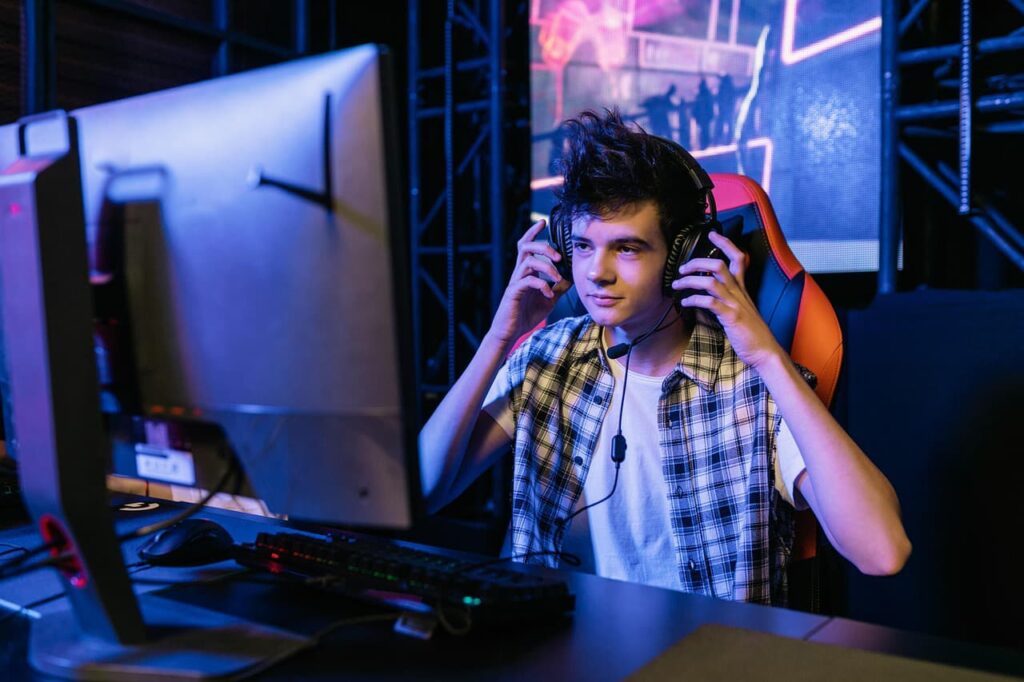
Gamers have never been shy about their opinions, but blockchain gives them levers actually to pull. Through tokens and DAO-style governance, players can fund expansions, vote on updates, or even push for entirely new spin-offs.
It’s not always neat. Sometimes the loudest voices don’t have the best design instincts. But when it works, it turns customers into co-builders. Studios that learn to share creative control without losing the thread of their vision are finding their communities stick around longer and invest more deeply.
This is less about “feedback” and more about a shared stake in the future. The world isn’t just yours because you bought the collector’s edition. It’s yours because you literally own part of it.