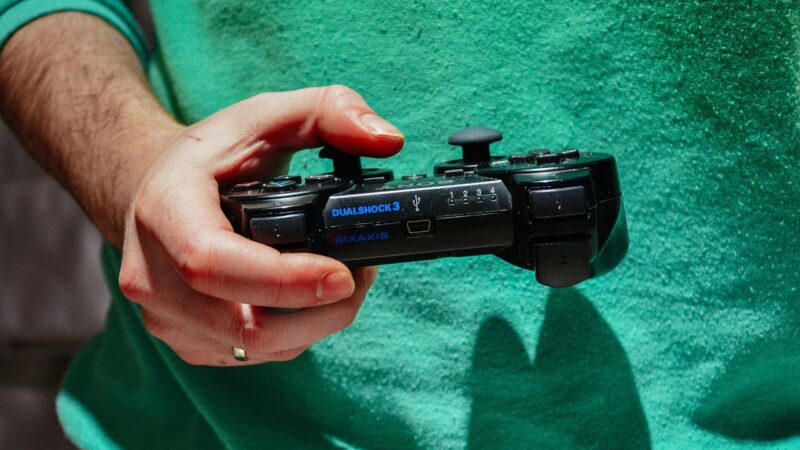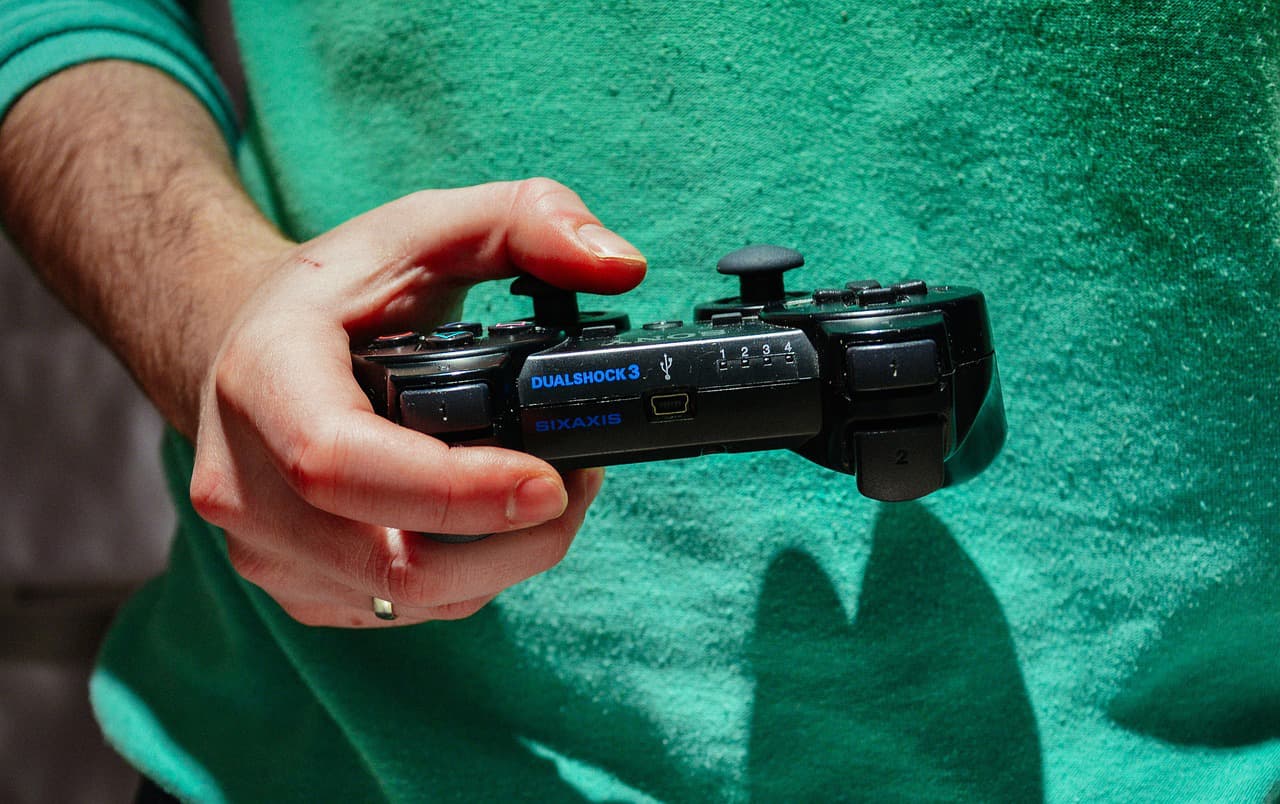
For many people, play is merely leisure. It occupies spare moments, delivers bursts of thrill, and keeps participants engaged through challenge and payoff. Yet when you zoom out, you notice that the engines powering engagement in play are not locked inside consoles, casinos, or handheld screens.
They offer insights for almost every sector. The idea is called gamification, and its promise is far wider than most firms imagine.
Why Game Design Works
The first cause that gamification proves effective lies in psychology. Games are engineered to activate the brain’s reward circuitry. Progress bars, rankings, and trophies tap into an innate human craving for achievement. When individuals witness visible advancement, however tiny, they tend to remain involved.
Picture the contrast between a boring chore list and a checklist that sparkles once every item is ticked. The final outcome may be identical, yet the feeling of delight is worlds apart. Casinos and online games have grasped this for years.
Perhaps the sharpest comparison emerges from casino blik platforms. Here, gamification is not merely a design coat but the heart of the model. Bonuses, multipliers, tiers, and interactive quests turn solo play into a rich world. Users are not merely spinning reels or laying wagers. They are chasing advancement, unlocking perks,
They deploy levels, streaks, and prizes to lure users back again and again. Sectors beyond amusement are now noticing that identical tools can lift customer allegiance, staff efficiency, and even learning results.
Lessons from Play in Commerce
Retailers are among the earliest adopters of gamification beyond classic play arenas. Loyalty schemes once leaned on plain point collections. Today, many shops have added tiers, badges, and flash quests. Shoppers do not merely gather points.
They unlock ranks that make them feel appreciated and distinctive. This sense of advancement keeps them returning not merely for rebates but for the narrative unfolding around their spending.
Avoiding Hollow Game Design
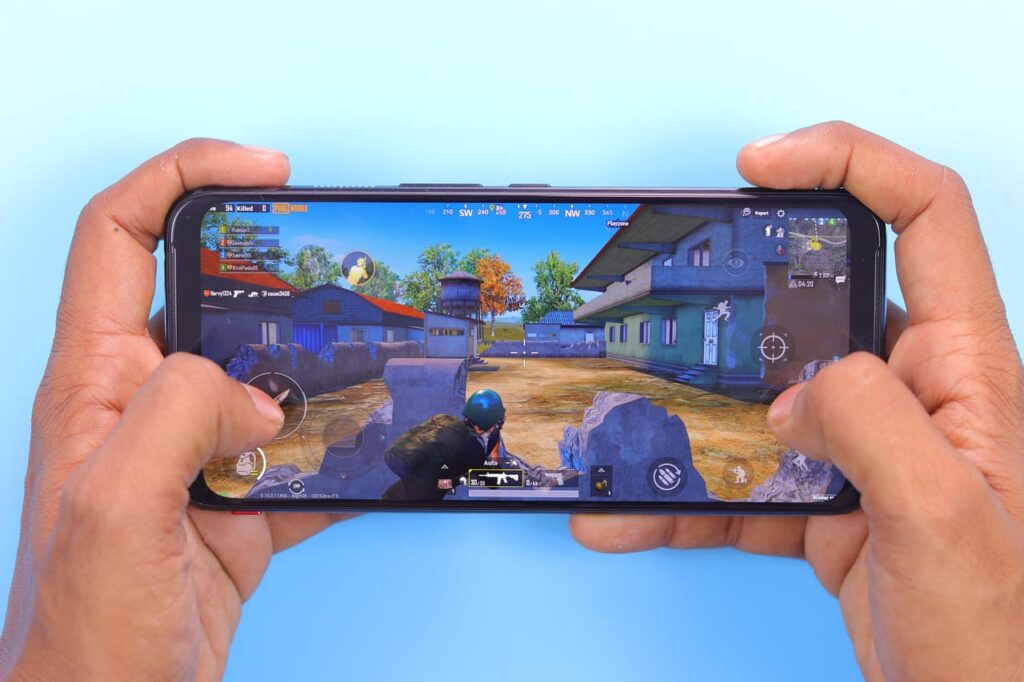
That said, gamification is no miracle cure. When executed badly, it feels gimmicky and soon fades. The most frequent error is stacking shallow game tricks on top of experiences that are basically unsatisfying. If a client earns points for a slow, annoying service, no heap of digital badges will mend the negative image.
Real game design thrives when the underlying task already carries worth for the user. The playful layer then elevates the journey, adding shape, feedback, and tiny nudges that steer conduct. In short, gamification amplifies what already exists. It cannot replace substance.
The Next Wave of Gamified Sectors
Looking forward, gamification is poised to spread still wider, fueled by data and tailoring. Just as games adapt challenge levels to fit a player’s skill, companies can now craft quests and rewards around each person’s tastes. A fitness tracker can nudge a casual stroller differently from a veteran runner. A retail site can design loyalty tiers shaped by exact buying patterns.
The more tailored the system, the deeper the engagement. This mirrors the nuance of online games and casinos, where no two users follow the exact same path. Each journey is distinct, making individuals feel noticed and valued.
Gamification is also slipping into civic life. Cities piloting recycling drives have added point systems and public rankings. Schools deploy playful lessons to boost involvement. Even clinics are testing schemes where patients collect digital rewards for steady medication habits.
What Every Sector Can Absorb
The takeaway from games is plain yet deep. People flourish on progress, praise, and payoff. If you hand them a reason to stay involved, they will. This is not trickery; it is respect for human nature. We are driven not merely by final results but by the moments we gather along the way.
For tiny firms, giant enterprises, and even civic bodies, the test is to craft systems that make everyday tasks feel gratifying. Done well, gamification can turn a passive crowd into an active, devoted network.
Final Thought
Play may appear as entertainment on the surface, yet it is truly a template for motivation. The secret force of gamification rests in its universal reach. Whether it is a wellness tracker, a lecture hall, an office, or a city program, the same rules that keep players glued to digital quests can fuel real-world wins. Sectors that adopt this will not merely seize attention; they will cultivate lasting devotion.